Yuvalaça is one of the traditional dishes I grew up eating in Seferihisar. I do not make Yuvalaça myself, so I did not want to present this recipe as if it came from my own cooking experience. Instead, I documented the method used in my family by speaking directly with my mother, who learned how to make it from my grandmother.
My late aunt also made excellent Yuvalaça, although her version was richer than my mother’s. Growing up with both versions taught me something important about this dish: even within the same family, the choice of meat, the amount of rice, and the cooking liquid can change the final flavor considerably.
What Is Yuvalaça?
Yuvalaça is a meat-and-rice dish associated with the local cuisine of Seferihisar, İzmir. Ground meat and raw rice form the base. The shaped pieces are coated, fried briefly, and then finished in liquid until the rice swells and the meat becomes tender.
This is not only something I know from my family table. Seferihisar Municipality includes Yuvalaça among the district’s local dishes taught in its Slow Kitchen project. Visit İzmir also includes Yuvalaça in its description of Seferihisar’s gastronomy.
Those sources help document Yuvalaça’s place in Seferihisar cuisine. The detailed method on this page, however, comes from the way my mother and aunt prepared it in our family.
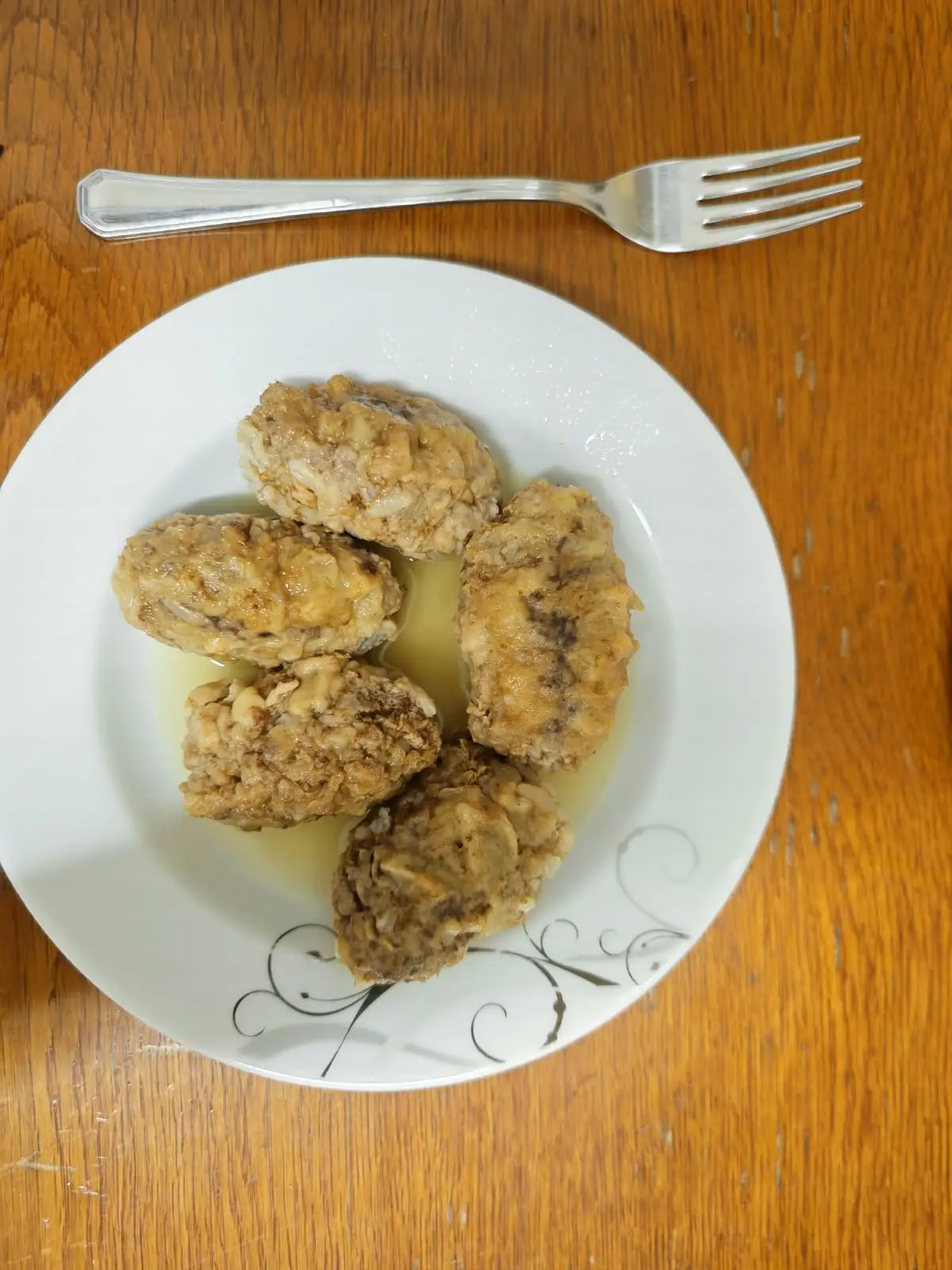
The Yuvalaça Recipe in My Family
My mother makes Yuvalaça for our four-person family with 500 grams of ground beef and about 60–65 grams of raw rice. She seasons the mixture with salt and black pepper, and sometimes ground red pepper can be added according to taste.
The rice goes into the meat raw. It is not boiled beforehand. During the final stage of cooking, the grains absorb liquid and swell inside the Yuvalaça. That is why checking the rice is one of my mother’s most important ways of deciding whether the dish is ready.
We Don’t Add Breadcrumbs
Breadcrumbs can be used in some versions to make the mixture go further, but neither my mother nor my aunt used them. They preferred a meatier Yuvalaça, so our family mixture is based on ground meat, raw rice, and seasoning.
This is one reason I have removed breadcrumbs from the recipe that previously appeared on this page. The updated recipe card now reflects the version I actually know from my family.
How My Mother Shapes Yuvalaça
I remember watching my mother oil her palms before shaping the mixture. She takes a portion and forms it into something similar to a köfte, but Yuvalaça is not flat.
Her Yuvalaça are plump, substantial, and slightly longer than an ordinary homemade köfte. Keeping some thickness is important because the pieces still need to go through coating, frying, and then the final cooking stage.
The Flour, Egg, and Flour Coating
In my mother’s method, each shaped Yuvalaça goes through the coating in this order:
- Flour
- Beaten egg
- Flour again
She then fries the coated Yuvalaça in oil. The goal at this stage is not to cook the center completely. Once the outside has set and taken on some color, she removes them from the frying pan. They finish cooking later in water.
Why I Use Extra Virgin Olive Oil in This Recipe
The frying fat I associate with Yuvalaça in Seferihisar is extra virgin olive oil. That is also what my family uses.
Some younger cooks may prefer sunflower oil because its flavor is more neutral. For this family version, however, I keep extra virgin olive oil because it is the taste I know from the local cooking around me.
The Final Cooking Stage
After frying, my mother transfers the Yuvalaça to a pot and adds enough plain water to just cover them. She does not work from a fixed number of cups because the amount depends on the size of the pot and how the Yuvalaça sit inside it.
As they cook, the rice absorbs liquid and swells. The fried exterior also softens considerably. By the end, Yuvalaça should feel tender rather than like a crisp fried meatball.
How My Mother Knows When Yuvalaça Is Done
Although my mother estimates around 35 minutes for the cooking stage, she does not rely on the clock alone.
She takes one Yuvalaça from the pot and cuts it in half. Her main check is the rice. The grains should have swollen fully and should cut easily with a fork rather than remaining firm or raw in the center. The meat should also be completely cooked.

This visual and texture check is more useful to me than pretending that every pot of Yuvalaça will finish at exactly the same minute.
My Aunt’s Lamb and Beef Yuvalaça
My mother’s beef version is the lighter Yuvalaça I know best, but one of the best versions I remember eating came from my late aunt.
One day my father brought her lamb for Yuvalaça. She used approximately 300 grams of ground lamb and 200 grams of ground beef, together with about 75 grams of raw rice.
That roughly 60% lamb and 40% beef mixture produced a noticeably richer result. I remember it as more aromatic, fattier, and smoother in flavor than my mother’s all-beef version. The lamb also gave the liquid in the pot a deeper meat flavor.
My aunt sometimes took that richness one step further by cooking the fried Yuvalaça in approximately equal parts meat stock and water. My mother normally uses plain water.
I like both versions. If you want the lighter family version, start with my mother’s all-beef recipe in the card below. If you enjoy lamb, my aunt’s version is a useful variation to try.
Beef or Lamb for Yuvalaça?
In my experience growing up in Seferihisar, both beef and lamb appear regularly in local cooking. Yuvalaça can work well with either beef or a mixture of the two.
I would personally avoid making my first version entirely from lamb because the result can become quite rich. Combining lamb with beef gives you the aroma of lamb while keeping the overall balance closer to the Yuvalaça I grew up eating.
How We Serve Yuvalaça
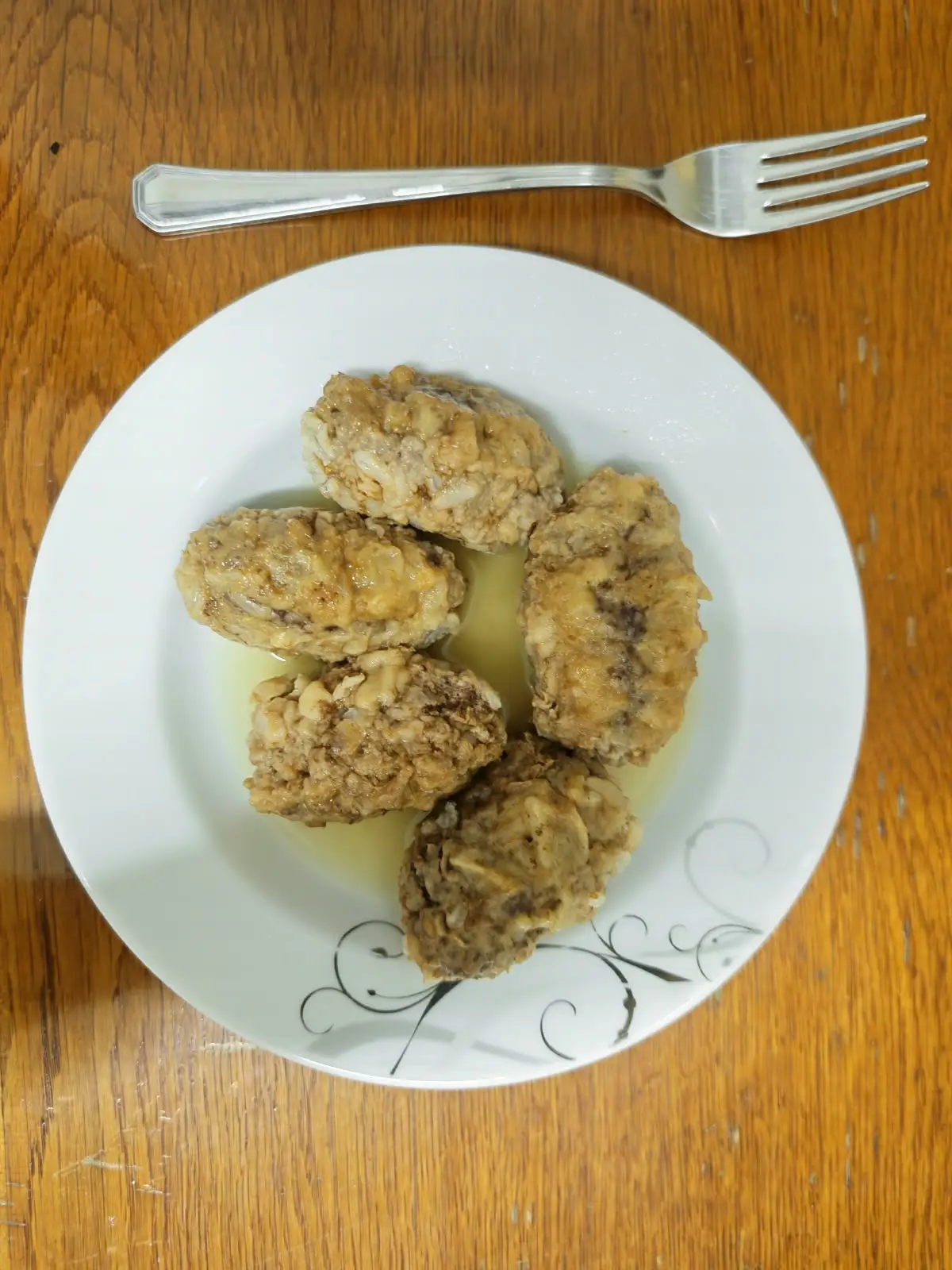
Yuvalaça is served with some of the liquid in which it finishes cooking. In our family, the serving plate usually has roughly a finger’s depth of liquid rather than presenting the meatballs completely dry.
The accompaniment I consider essential is plain yogurt. Fresh bread is the other usual partner at our table, while salad is optional.
If you want to explore the role of bread more broadly in the cuisine, see my guide to traditional Turkish breads.
Is Yuvalaça an Everyday Dish?
In my family, Yuvalaça is not limited to a festival, wedding, or holiday. It can be made as an ordinary home meal in Seferihisar.
At the same time, it is also the kind of dish families may prepare when guests come over. The extra work involved in shaping, coating, frying, and then cooking each piece makes it feel a little more special than a basic weekday meat dish.
How Do People in Seferihisar Pronounce Yuvalaça?
The pronunciation I hear most often in Seferihisar follows the written form: yu-va-la-ça.
In village speech, I have also heard local variations that sound closer to yuv-lu-ça or yu-vu-lu-ça. I mention these as forms I have personally heard rather than as formal alternative spellings of the dish.
A Recipe Passed From My Grandmother to My Mother
The part of this Yuvalaça recipe that matters most to me is its family connection. My mother learned it from my grandmother, and I grew up watching my mother make it. My late aunt had her own variation, especially when lamb was available.
That is why I do not think there needs to be one artificial set of measurements presented as the only possible Yuvalaça. What I can document accurately is how my own family prepares it, where their versions differ, and what I remember from eating both.
Yuvalaça also sits within a much wider regional food tradition. If you would like to explore that context, see my guide to Turkish food culture. For another food closely connected with Seferihisar, you can also read my Armola guide.
My Family’s Yuvalaça Recipe
The recipe card below uses my mother’s four-person version with 500 g of ground beef and 60–65 g of raw rice. I have kept my aunt’s lamb-and-beef version as a family variation rather than mixing the two methods into one recipe.


Traditional Seferihisar Meatballs
Description
Yuvalaça is a traditional Seferihisar dish made with ground meat and raw rice, first coated and lightly fried, then gently cooked in water until the rice becomes tender. This is my mother’s version, which she learned from my grandmother, using beef for a lighter flavor.
Ingredients
Instructions
- Prepare the mixture: Add the ground beef, raw rice, salt, black pepper, and optional ground red pepper to a bowl. Mix thoroughly until the rice and seasonings are evenly distributed through the meat.
- Shape the Yuvalaça: Lightly oil your palms. Take portions of the mixture and shape them into plump, elongated meatballs. They should be slightly larger and fuller than ordinary Turkish köfte rather than flat.
- Coat each Yuvalaça: Coat each piece first in flour, then in beaten egg, and finally in flour once more.
- Fry the outside: Heat extra virgin olive oil in a frying pan. Fry the Yuvalaça until the outside has set and developed some color. Do not cook them completely at this stage because the inside will finish cooking in water.
- Cook in water: Transfer the fried Yuvalaça to a pot. Add enough water to just cover them. Cook gently until the rice has absorbed the liquid, swollen fully, and the Yuvalaça have become tender.
- Check for doneness: Remove one Yuvalaça and cut it in half. The rice should be completely swollen and soft enough to cut easily with a fork, and the meat should be fully cooked.
- Serve: Serve the Yuvalaça hot with some of the cooking liquid. In our family, we usually serve it with roughly a finger’s depth of liquid in the plate, together with plain yogurt and fresh bread.
Notes
- My mother makes this version with 500 g of ground beef and about 60–65 g of raw rice. She learned how to make Yuvalaça from my grandmother.
My late aunt made a richer version that I remember especially well. She used approximately 300 g of ground lamb and 200 g of ground beef with about 75 g of rice. Her version was fattier and more aromatic, and the lamb gave the cooking liquid a richer flavor.
Breadcrumbs are sometimes used to stretch the mixture, but neither my mother nor my aunt added them. They preferred a meatier Yuvalaça.
My mother cooks Yuvalaça in plain water. My aunt sometimes used roughly equal parts meat stock and water for a richer result.
In Seferihisar, extra virgin olive oil is the traditional frying fat I know. Some people today prefer sunflower oil for its more neutral flavor, but olive oil is the version I associate with the local method.